We all remember the Covid era, the years dominated by a deadly virus that claimed millions of lives. “2025 didn’t scare us with a virus,” quoted California-based doctor Siddhant Bhargava. The doctor’s insightful contribution brings home the stark reality of something far similar. The doctor’s words continue: “It (2025) has made us afraid of how we want to live.” His post continued: “The danger wasn’t from rare diseases. It was extremes, the environment and an obsession disguised as optimization.” Doctor Bhargava mentioned 10 things about health that 2025 has taught us.
1. Over-optimizing health can backfire
Doctor Bhargava writes: “Extreme longevity finally showed its dark side.” Turning to something deeper, he writes, “Living longer does not mean living better.”
2. Air pollution as a health hazard
Weeks of air pollution have shown that the air we breathe is sometimes far above human tolerance levels. Dr. Bhargava writes: “Doctors reported an increase in asthma, heart attacks, pregnancy complications and even cognitive decline. Air pollution was no longer a winter problem. It became a year-round health threat.”
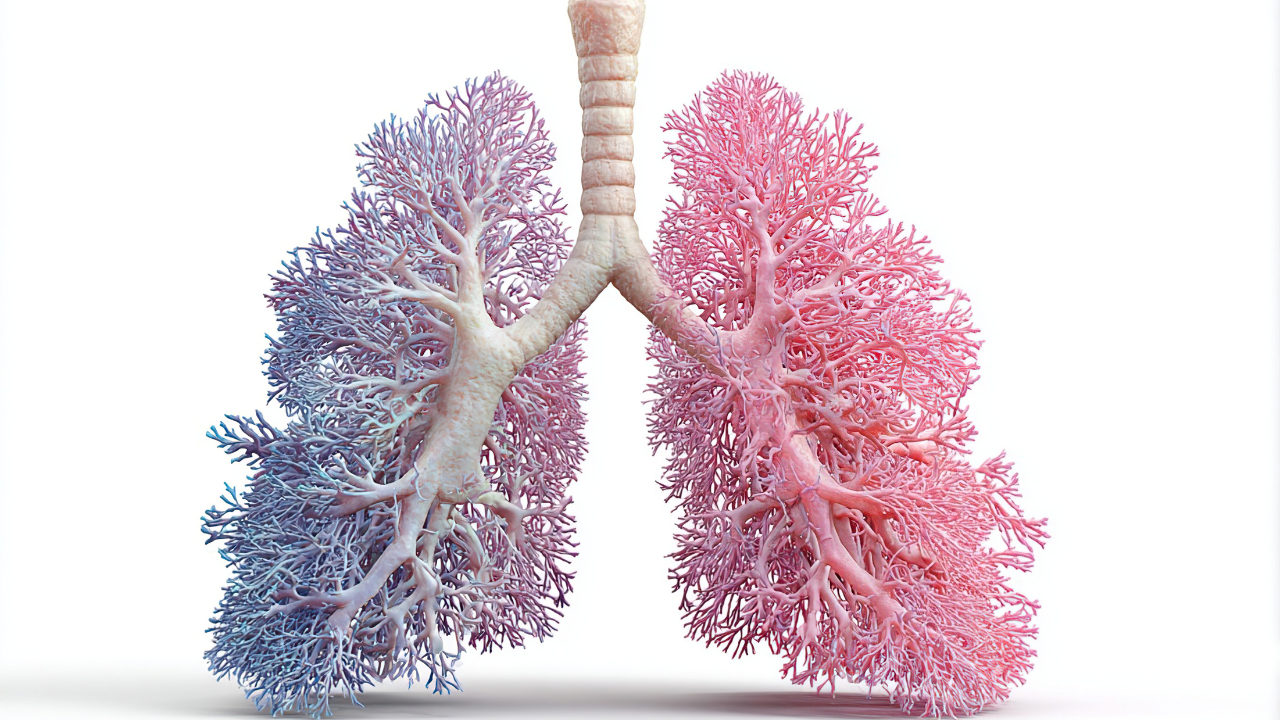
3. The lungs age faster, even without smoking
Dr. Bhargava writes: “Pneumologists warned that exposure to city air reduced lung capacity in people in their 20s and 30s. Many showed lung function similar to smokers, even though they had never smoked.”
4. Psychological burnout is no longer just an “emotional” problem
Dr. Bhargava says: “Studies from 2025 have linked chronic work stress to gut damage, autoimmune flare-ups and hormonal imbalances.”
5. Social isolation hits just as hard as smoking
Global research has shown that loneliness increases the risk of mortality comparable to smoking 15 cigarettes a day. Turns out being busy and being connected were very different things.
6. Obsession with fitness became more dangerous than “inactivity”
Doctors noted an increase in joint injuries, cortisol imbalance and menstrual irregularities due to overtraining, malnutrition and the “no day off” culture.
7. Heat waves became a cardiovascular risk
Heat was no longer just unpleasant, it was dangerous. The extreme heat in India has been linked to dehydrated strokes, kidney stress and sudden cardiac events even in young adults. The heat was no longer unpleasant. It was getting dangerous.
8. Sleep debt rewired the brain
Sleep deprivation also came into focus. Chronic lack of sleep has been shown to shrink the decision-making areas of the brain and worsen anxiety. Catching up on the weekend couldn’t repair the damage.

9. AI has changed the ethics of medicine
AI tools uncovered massive overtreatment in cancer and diagnostics. For the first time, the question shifted from “Can we treat?” to “Should we?”
10. Health anxiety quietly replaced health
Tracking every metric, every symptom, every number increases stress, not security. Doctors warned that obsession was becoming its own disease.Doctor Bhargava did not write to mention records. There is a deeper message behind the post that the future does not require extreme routines or relentless self-control, but rather that it wants balance.