Delhi: Highway commuters will no longer have to stop to pay a usage fee at national highway toll plazas by the end of 2026
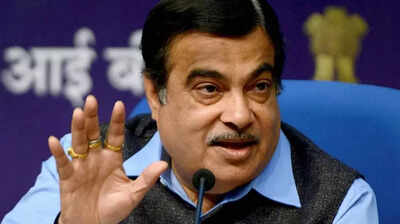
as the government rolls out the Multi-Lane Free Flow (MLFF) system, Road Transport and Highways Minister Nitin Gadkari said on Wednesday. He added that the FASTag annual pass introduced in August, which allows private vehicles to cross 200 spaces, also comes as a big relief to the people.
Gadkari said over 4 lakh private car owners have subscribed to the FASTag annual pass. “With the introduction of the MLFF toll system, people no longer have to stop or slow down at toll plazas. Cameras above the road read the number plate and the usage fee is automatically deducted from the vehicle’s FASTag account.” All of this happens even if someone is driving at a speed of 80 km/h. I made this announcement in Rajya Sabha today,” he said.
Earlier in the day, he said in RS that the new system will help save fuel worth Rs 1,500 crore and increase toll revenue by Rs 6,000 crore. The system will make toll collection transparent and corruption-free, he said.
Gadkari also said that a system will be introduced where vehicle owners will have to clear all dues, including outstanding tolls and e-challans, when they sell their vehicles or renew registration.
On the next major focus of highway development in the country, Gadkari said there is now a greater push for greenfield highway construction, which is crucial for reducing logistics costs. “In India, logistics costs used to be 16%. However, the latest study by IIM-Bangalore, IIT-Kanpur and IIT-Madras shows that our road logistics costs have come down by 6%. The report came out three-four months ago. So I am confident that these logistics costs are now in single digits at 9%,” he said.
He said the government’s focus on infrastructure is driving India’s economic growth. “For the growth of any country, infrastructure is important. Roads, water, electricity, transportation and communications, without the development of this infrastructure we cannot make
capital investments in industry, trade and commerce. And without investments we cannot create jobs… Without jobs we cannot eradicate poverty,” he added.